
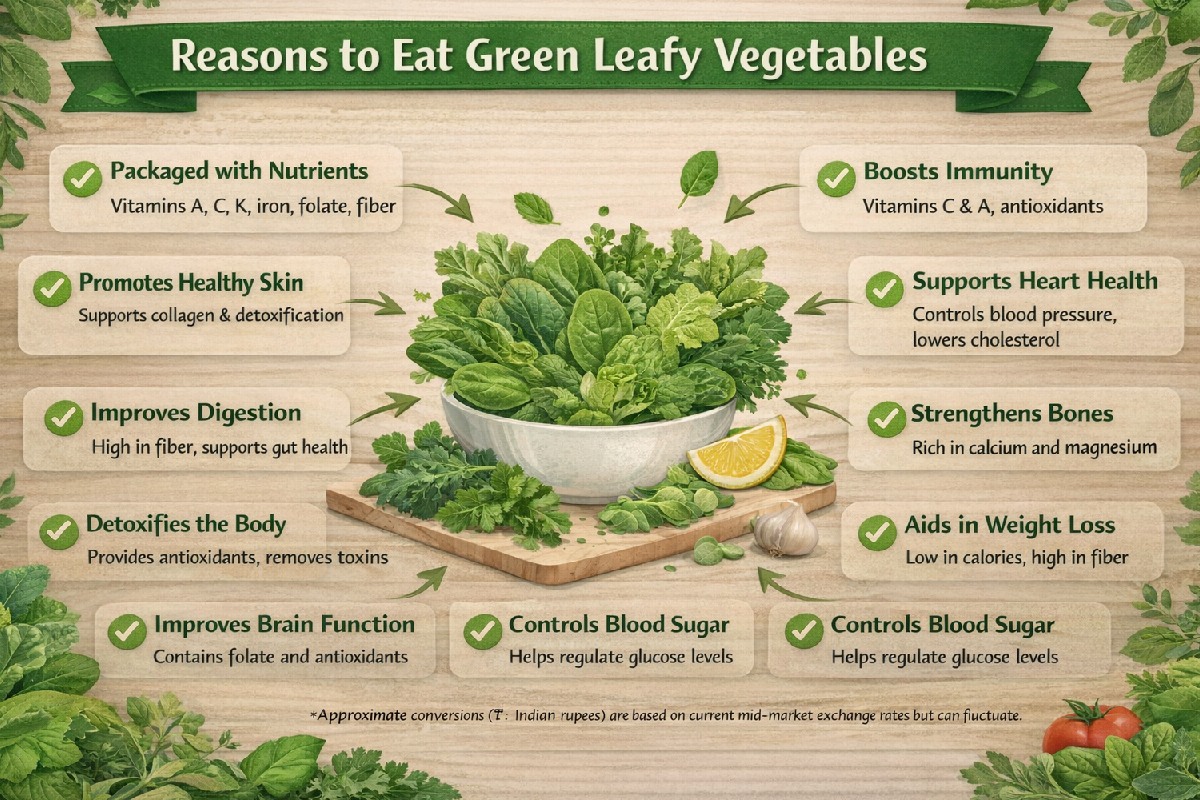
Green Leafy Vegetables That’s why they’re considered vital foods in a balanced diet, as they contain all the necessary nutrients to maintain your health and overall well-being. In addition, they provide the energy your body needs for biochemical processes. In this way, you can perform your daily activities optimally.
The Food and Agriculture Organization of the United Nations states in its Family Nutrition Guide that plant foods provide significant amounts of protein, such as seeds and legumes, which help control Cholesterol.
They’re also high in fiber, which helps with digestion, without forgetting that they are the primary natural source of antioxidants that prevent cellular ageing in your body.
Table of Contents
What are Leafy Green Vegetables?
Leafy green vegetables are plants whose comestible parts are mainly their green leaves. They are rich in vital nutrients such as vitamins (A, C, K, and folate), reserves (iron, calcium, and magnesium), fiber, and powerful antioxidants. These vegetables are recognized for their secondary health benefits, including improving digestion, strengthening immunity, promoting heart health, and supporting healthy skin and bones.
They are typically low in calories and high in water content, making them ideal for a steady and nutritious diet. Common varieties include spinach, Kale, lettuce, cabbage, and mustard greens, which can be eaten raw in salads or cooked in various dishes.
Nutritional of Green Leafy Vegetables
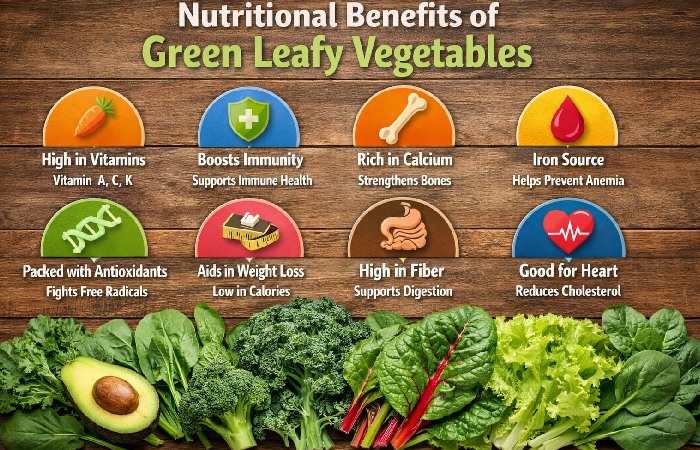
Green leafy vegetables are packed with essential nutrients that support overall health and well-being. They are outstanding sources of nutritional fiber, iron, calcium, magnesium, potassium, and folate. These vegetables are particularly rich in vitamins A, C, and K, as well as powerful antioxidants that help protect the body from infections and chronic diseases.
Nutritional Value of Common Green Leafy Vegetables (per 100 g)
| Vegetable | Calories (kcal) | Fiber (g) | Iron (mg) | Calcium (mg) | Vitamin A (mcg) | Vitamin C (mg) |
| Spinach | 23 | 2.2 | 2.7 | 99 | 469 | 28 |
| Fenugreek Leaves | 49 | 1.1 | 1.9 | 395 | 234 | 52 |
| Mustard Greens | 27 | 3.2 | 1.6 | 115 | 302 | 70 |
| Amaranth Leaves | 23 | 2.1 | 2.3 | 215 | 291 | 43 |
| Coriander Leaves | 36 | 2.8 | 1.8 | 67 | 337 | 27 |
| Mint Leaves | 44 | 6.8 | 5.1 | 199 | 212 | 31 |
| Dill Leaves | 43 | 2.1 | 6.6 | 208 | 386 | 85 |
| Radish Leaves | 25 | 3.7 | 2.5 | 265 | 529 | 81 |
Four Advantages of Foods of Plant Origin Green Leafy Vegetables
A healthy diet provides you with all the nutrients you need to perform your vital functions. And while you can eliminate some animal foods from your diet, Green Leafy Vegetables you can’t do without plant foods.
The latter are not interchangeable as they provide all the vitamins and minerals in their different varieties. Instead, the animal origin can be supplemented with substitutes made from vegetables—for example, soy drink.
Keep in mind that plant-based foods are not only of interest to people who want to adopt a vegan, vegetarian, or eating Green Leafy Vegetables style.
They are also foods that are part of people allergic to shellfish, eggs, fish and people with lactose intolerance.
Additionally, they are functional foods for those who have a nutritional need to meet or need to look and feel better.
1. They Provide a Large Proportion of Antioxidants Green Leafy Vegetables
These foods have components that are not present in foods of animal origin. These are antioxidants that provide primarily water-soluble vitamins and minerals Green Leafy Vegetables .
These are important to prevent the ageing of your body cells. They are contained in photo elements or phytochemicals and can minimize the development of cancerous tumors.
Antioxidants found in fruits and vegetables, contributing to better nutrition with healthier effects.
In addition, they protect your cells and tissues from oxidative stress and have a preventive effect that favors your body’s immune response.
2. They Provide Significant Amounts of Protein, Fiber and Carbohydrates
Vegetables are rich in micronutrients, i.e. the vitamins and minerals that the body needs in small amounts.
However, they also provide significant amounts of protein, fiber and carbohydrates. These are found naturally in beans, corn, potatoes, nuts, lentils and other grains 6.
Although foods of animal origin have a high protein density, those of plant origin have proteins of high biological value. In addition, these foods contribute to the proper functioning of all biological processes in your body.
For example, fiber helps the digestive system, and folic acid helps form red blood cells. Carbohydrates and proteins provide the necessary energy and essential nutrients to carry out your daily activities.
3. They have no Saturated Fat or Cholesterol
Incorporating a plant-based diet into your daily diet can dramatically lower blood cholesterol levels. Is because vegetables and fruits contain little or no saturated fat.
Well, high Cholesterol clogs your arteries and increases your risk of a heart attack. By consuming it, it is possible to reduce the occurrence of diseases such as diabetes and other carcinogens.
4. They Benefit the Microbiota and Promote Better Digestive Health
The digestive process requires the production of enzymes to absorb the nutrients that food contains and that is easily absorb by the body.
Plant-based foods provide your body with enough energy to produce these enzymes, which aid in digestion.
In addition, they are necessary to maintain the proper functioning of the microbiota and the balance between microorganisms. With its consumption, you can prevent the growth of unwanted bacteria and viruses, protect your metabolism and strengthen your immune system.
Likewise, they are ideal for reducing the effects of cellular ageing and perform a protective function that takes care of your body’s cells.
What are the 10 Leafy Green Vegetables?
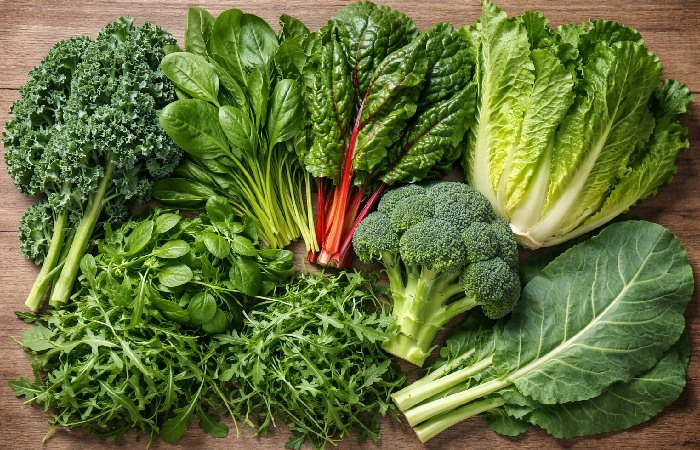
Leafy green vegetables are nutrient-rich plant foods known for their high content of vitamins, minerals, fiber, and antioxidants. They help improve digestion, boost immunity, support heart health, and maintain healthy skin. Including a variety of leafy greens in daily meals ensures balanced nutrition and overall wellness.
| No. | Vegetable | Key Nutrients | Common Uses |
| 1 | Spinach | Iron, Folate, Vitamin A, C | Curries, smoothies, soups |
| 2 | Kale | Vitamins A, K, C, Calcium | Salads, baked chips, soups |
| 3 | Lettuce | Fiber, Vitamin K, Folate | Salads, wraps, burgers |
| 4 | Cabbage | Vitamin C, Fiber | Stir-fries, salads, soups |
| 5 | Mustard Greens | Vitamin K, A, Antioxidants | Indian curries, stir-fries |
| 6 | Fenugreek Leaves | Iron, Fiber | Parathas, curries |
| 7 | Amaranth Leaves | Iron, Calcium | Stir-fries, dals |
| 8 | Coriander Leaves | Vitamin C, Antioxidants | Garnishing, chutneys |
| 9 | Mint Leaves | Vitamin A, Iron | Chutneys, drinks, and garnishing |
| 10 | Swiss Chard | Magnesium, Iron, Vitamins A & C | Sautéed dishes, soups |
The Health Benefits of Leafy Greens
Leafy greens are among the healthiest foods you can consume in your daily diet. They are loaded with essential vitamins, minerals, fiber, and antioxidants that support the body’s function and help protect against many diseases.
Rich in vitamins A, C, and K that support protection, vision, and bone strength
An outstanding source of iron, which helps prevent anemia and boosts energy levels
High in fiber that aids digestion and promotes a healthy gut
Packed with antioxidants that protect the body from contagions and chronic diseases
Ropes heart health by helping to regulate blood pressure and cholesterol
Reinforces bones and teeth due to calcium and magnesium content
They help in weight management because they are low in calories and high in nutrients
Recovers skin health by secondary collagen production and cleansing
Aids in blood sugar control, beneficial for people with diabetes
Rope’s brain health may improve memory and reasoning function.
Side Effects of Eating Green Leafy Vegetables
Green leafy vegetables are highly nutritious, but consuming them in excess or without proper groundwork may cause certain side effects. Some leafy greens contain natural compounds that can interfere with nutrient absorption or cause digestive discomfort in sensitive individuals.
| Side Effect | Cause | Who May Be Affected | Prevention Tips |
| Kidney Stone Risk | High oxalate content in some greens | People prone to kidney stones | Limit high-oxalate greens; drink adequate amounts of water |
| Digestive Issues | Extra fiber | People with sensitive stomachs | Eat moderate portions; cook properly |
| Thyroid Interference | Goitrogens in certain raw greens | People with thyroid disorders | Avoid extreme raw intake; vapor or cook greens |
| Blood Thinning Interaction | High Vitamin K content | People on blood-thinning medication | Keep intake consistent; consult a doctor |
| Inflating & Gas | Difficult-to-digest fibers | People with weak digestion | Lightly cook greens to ease digestion |
| Pesticide Exposure | Indecorous washing | Everyone | Wash methodically before cooking |
| Mineral Absorption Issues | Oxalates bind calcium & iron | People with mineral deficiencies | Pair with vitamin C-rich foods |
| Allergic Reactions (rare) | Individual compassion | Allergy-prone individuals | Avoid specific greens that cause a reaction |
Chart of Green Leafy Vegetables
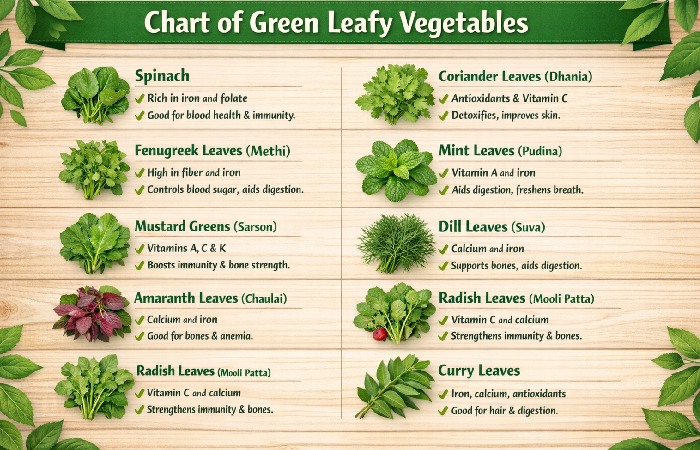
Green leafy vegetables are an essential part of a healthy diet because they are rich in vitamins, minerals, fiber, and antioxidants. They help restore digestion, strengthen immunity, maintain heart health, and support strong bones. A humble chart-style list makes it easier to comprehend the different types of leafy greens and their key nutritional benefits.
Spinach
Rich in iron and folate
Good for blood health and immunity
Fenugreek Leaves (Methi)
High in fiber and iron
Helps control blood sugar and improve digestion
Mustard Greens (Sarson)
Packed with vitamins A, C, and K
Supports immunity and bone strength
Amaranth Leaves (Chaulai)
Good source of calcium and iron
Beneficial for bones and anemia prevention
Coriander Leaves (Dhania)
Rich in antioxidants and vitamin C
Helps detoxify the body and improve skin health
Mint Leaves (Pudina)
Contains vitamin A and iron
Aids digestion and refreshes breath
Dill Leaves (Suva)
Rich in calcium and iron
Supports bone health and digestion
Radish Leaves (Mooli Patta)
High in vitamin C and calcium
Good for immunity and bones
Curry Leaves
Rich in iron, calcium, and antioxidants
Supports hair health and digestion.
Green Leafy Vegetables in India
Green leafy vegetables in India are an essential part of everyday meals and traditional diets. Many Indian leafy greens are locally grown, affordable, and used in regional dishes such as curries, dals, stir-fries, chutneys, and parathas. Regular consumption of these nutrient-dense vegetables helps prevent anemia, advances gut health, and promotes overall wellness.
| No. | Vegetable (English) | Indian Name | Key Nutrients | Common Indian Dishes |
| 1 | Spinach | Palak | Iron, Folate, Vitamin A | Palak paneer, dal palak |
| 2 | Fenugreek Leaves | Methi | Iron, Fiber, Vitamin K | Methi paratha, methi sabzi |
| 3 | Mustard Greens | Sarson | Vitamin K, Calcium | Sarson ka saag |
| 4 | Amaranth Leaves | Chaulai | Iron, Calcium | Stir-fry, dal chaulai |
| 5 | Coriander Leaves | Dhania | Vitamin C, Antioxidants | Chutneys, garnishing |
| 6 | Mint Leaves | Pudina | Vitamin A, Iron | Pudina chutney, drinks |
| 7 | Dill Leaves | Suva Bhaji | Calcium, Iron | Suva sabzi, dal |
| 8 | Colocasia Leaves | Arbi Patta | Fiber, Vitamin C | Patra, alu vadi |
| 9 | Radish Leaves | Mooli Patta | Iron, Vitamin C | Mooli patta sabzi, paratha |
| 10 | Curry Leaves | Kadi Patta | Iron, Calcium, Antioxidants | Tempering in dals and curries |
Price in India, UK, USA, And London of Green Leafy Vegetables
Prices can vary a lot contingent on season, store type (retail vs wholesale), carbon-based vs even, and local supply, but the table below shows approximate prices based on recent market and grocery store data:
| Region | Typical Price (per kg) | Notes |
| India (general retail) | ₹15–₹40 / kg | Leafy greens like spinach often sell around this range; mandi (wholesale) prices ~₹17–₹30/kg. |
| India (online/urban retail) | ₹30–₹45 / kg (fresh spinach) | Online stores show examples around ₹34/kg for palak. |
| United Kingdom (fresh retail) | £1.00–£3.00 / kg (~₹105–₹315*) | Typical supermarket or grocery prices for packs like baby spinach/lettuce. |
| London (local retail) | £1.25–£2.75 / bunch/pack (~₹130–₹290*) | Examples from local London vendors (spinach £1.25, baby spinach £2.75). |
| USA (retail average) | $2.50–$4.50 / lb (~$5.50–$9.90 / kg) (~₹450–₹810*) | Fresh spinach & other leafy greens can cost roughly $2.50–$4.99 per pound at supermarkets. |
Which Vitamin is Found in Green Leafy Vegetables?
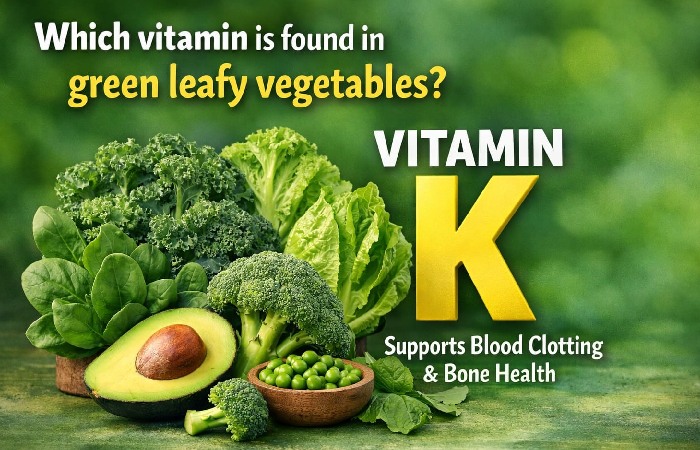
Green leafy vegetables are rich sources of several essential vitamins that help uphold overall health and support many body functions. These vitamins play significant roles in strengthening immunity, improving vision, maintaining healthy skin, supporting bone health, and promoting.
Vitamins Found in Green Leafy Vegetables
- Vitamin A — Supports healthy vision, skin health, and the immune system.
- Vitamin C — Boosts fight, helps in wound healing, and improves iron preoccupation
- Vitamin K — Essential for blood clotting and robust bones
- Vitamin E — Acts as an antioxidant and protects body cells from damage
- Vitamin B9 (Folate) — Significant for cell development, brain function, and pregnancy health
- Vitamin B6 — Helps in brain development and maintaining healthy nerves
- Vitamin B2 (Riboflavin) — Ropes energy production and healthy skin.
- Vitamin B1 (Thiamine) — Helps change food into energy and regulates nerve function.
Conclusion
Green leafy vegetables are among the most influential natural foods for maintaining overall health. They deliver vital vitamins, minerals, fiber, and antioxidants that support better digestion, stronger immune function, healthy skin, better heart health, and stronger bones. Their low calorie and high-nutrient content make them ideal for weight management and daily wellness. Including a variety of leafy greens in your regular meals is a simple and effective way to prevent nutrient deficiencies and protect your body from numerous diseases. Adding them to your diet every day helps naturally and safely build long-term health.