
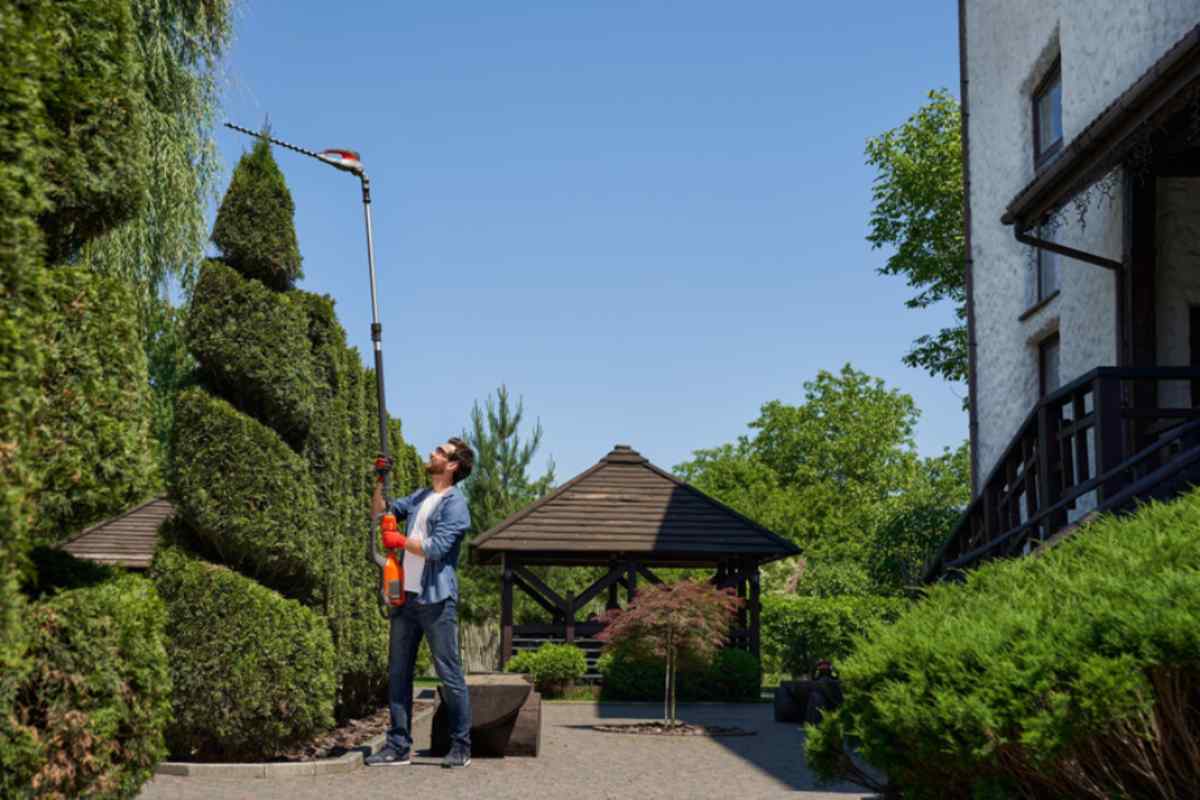
The external area has now become a signature aspect of the perception, value, and selection of rental houses. A private yard that brings visual peace and use throughout the year does not seem like an outside extension but rather a continuation of the living area. The privacy-aware landscaping in the context of the competitive market, with the backing of the Seattle rental property management, is commonly regarded as a tactical enhancement that helps increase the attraction of the tenants and helps raise the rent rates. Well-planned landscapes can mute noise, prevent unwanted views, and provide a feeling of retreat without significant alteration of structure.
Table of Contents
Five Professional Landscaping Techniques to Achieve Year-Round Privacy
1. Layered Planting for Natural, Flexible Screening
Layered landscaping is recommended by professionals in San Jose property management as one of the most effective methods to provide privacy and enhance visual appeal, as it can increase the property’s rental price. Laid-out vegetation uses trees, bushes, and ground cover to create depth rather than a single hedge or barrier.
Evergreen trees are used as a backdrop, with medium-height shrubs used to fill the eye-level gaps. Low plantings make ground planes less harsh and do not leave any bare spots. This method is self-controlling to the seasonal alteration, which would guarantee privacy in case some of the plants lose their leaves. Layered planting also minimizes noise and wind, helping make the outdoors more comfortable and less of a closed system.
Did you know?
San Jose’s rental market has seen average rents grow by roughly 3–4% annually.
2. Strategic Use of Hardscape Elements
Privacy is not dependent on greenery only. The expertly crafted hardscape elements, which include pergolas, privacy walls, fencing panels, and trellises, are immediate structural and all-year-round covers. Used together with plantings, the hardscape components ensure that landscapes are not temporary and sparse in colder seasons.
Boundaries are not closed off with the use of high walls, but rather low walls or ornamental screens. Vertical trellises that bear climbing plants provide a compromise between transparency and the privacy that they provide to the sunlight, as they prevent direct viewpoints. These features also make zones in the yard, which can be used in various ways, including dining, lounging, and gardening. Properly incorporated hardscaping is an indication of permanence and quality, which is very appealing to the long-term renters.
3. Evergreen Selection for Consistent Coverage
The most common failure in outdoor privacy during winter is the seasonal loss of plants. The use of evergreen species would give year-round coverage. The conifers, boxwood, holly, and some broadleaf evergreens maintain their structure year-round and provide privacy when deciduous trees shed their foliage.
The evergreens also bring in visual stability and give the space a sense of stability to the landscape, and the yard is not prone to feeling open to the outside world during the dormant seasons. These plants, when planted at proper distances, develop into massive natural screens that are much more attractive and sound-absorbing than traditional fencing. Evergreen integration is a long-term investment that will minimize maintenance and maintain privacy all year round.
Did you know?
Seattle’s rental market has remained resilient, with average rents increasing by approximately 4–5% year over year.
4. Zoning Outdoor Areas to Control Sightlines
Privacy is enhanced further when the design of the outdoor spaces has definite functional areas. The defined spaces, which may include a secluded sitting area, a dining area, or a garden retreat, enable privacy provisions to be focused rather than applied evenly.
The methods of zoning could be plant placement, elevation change, or transitions of materials like gravel paths or decking. These areas are small in size, yet they seem intimate when the focus shifts to the property itself rather than the neighboring areas. Delimitations also help renters imagine how the yard can support daily activities, making it feel more emotionally close and more usable.
5. Lighting and Orientation to Enhance Perceived Privacy
The strategic outdoor lighting eliminates exposure by emphasizing focal points in the yard rather than illuminating boundaries. Downward-facing soft lights create a sense of ambiance but do not make the yard appear clear at night.
Furniture and activity placement. The orientation of seating and the activity area is further enhanced by being placed so that the area does not face the neighboring view. Once the focus shifts to landscaped elements rather than the external environment, the yard becomes closed and purposeful. This is a gentle psychological solution to physical privacy and any enhancement of the overall outdoor experience without further building.
End Point
A balance of natural layering, structures, evergreen planning, zoning, and lighting considerations is needed to transform one of the yards into an oasis that is personalized and year-round. These landscaping plans always enhance the rental model’s attractiveness by promoting better pricing and longer tenancy. Improving privacy by enhancing the use of professional design and methods will turn outdoor spaces into meaningful extensions of living that increase comfort in day-to-day life and the ultimate performance of the property.