
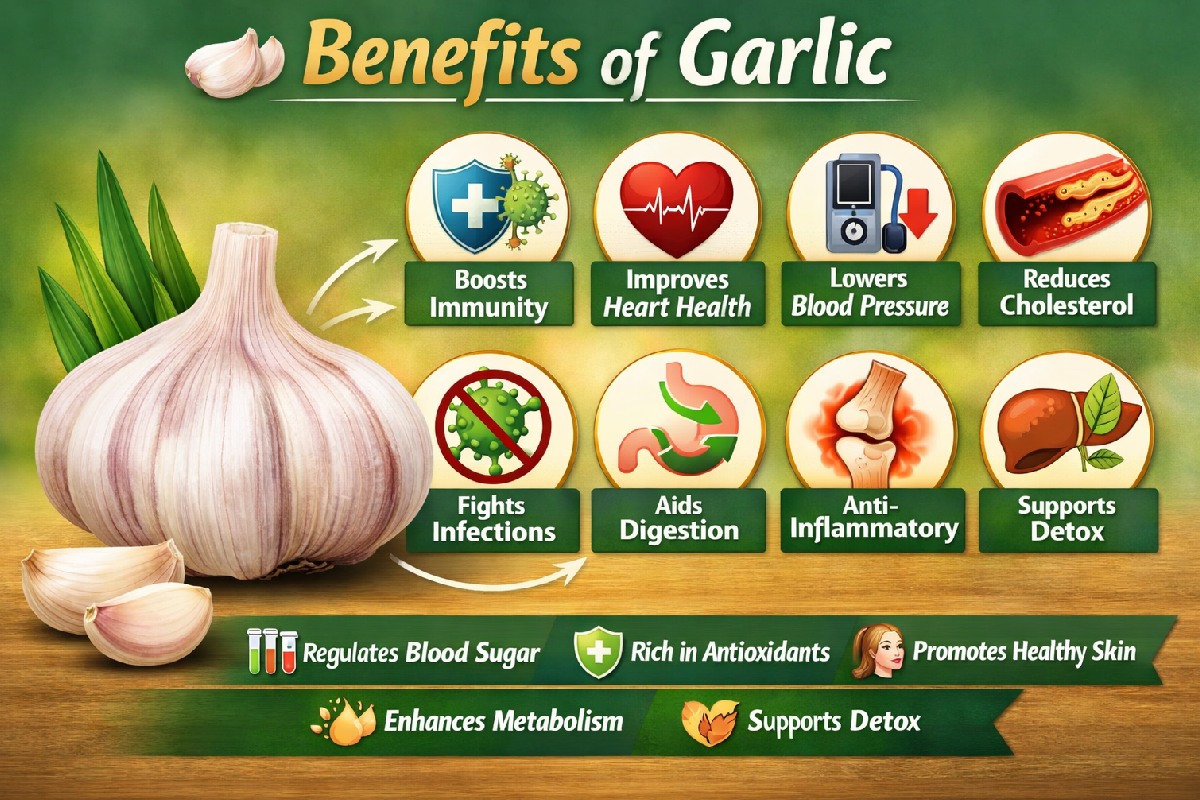
The benefits Of Garlic are many, and some points mention how to Grow Garlic. A plant whose underground part is a rounded bulb (head), composed of the union of several bulbils or cloves (commonly known as pods), tightly packed and coated in a parchment envelope, is generally uses as a condiment and, in specific regions or certain countries, as food or medicine.
Table of Contents
Garlic
Garlic (Garlic) is a highly nutritious ingredient known for its many health benefits. It contains powerful compounds, such as allicin, that help boost the immune system and protect the body from infections. Regular garlic intake may help lower blood pressure, reduce levels of harmful fats, and support overall heart health. It also has strong antioxidant and anti-inflammatory properties that protect cells from injury and may reduce the risk of chronic diseases. In addition, garlic can support digestion, help control blood sugar levels, and improve the body’s ability to fight bacteria and viruses, making it a valuable addition to a healthy diet.
Health Benefits of Garlic
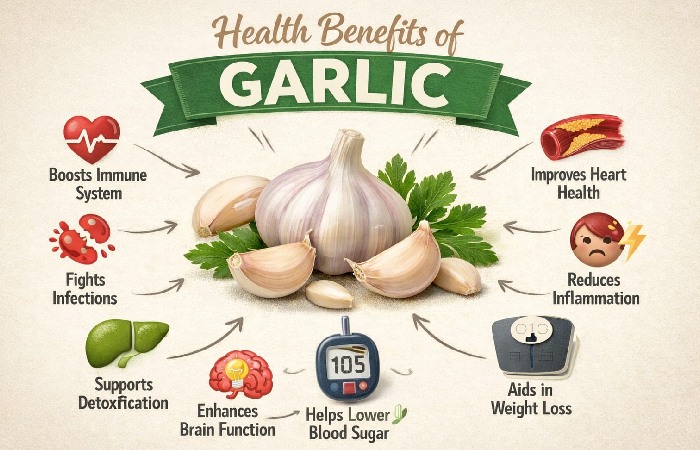
Garlic (Garlic) has been used for centuries in cooking and traditional medicine because of its powerful nutrients and natural compounds. It contains sulfur compounds such as allicin, which are responsible for many of its health benefits. Here are some of the key health benefits of garlic:
- Supports Heart Health
Garlic is well known for improving cardiovascular health. It can help:
- Lower high blood pressure
- Reduce bad cholesterol (LDL)
- Improve blood circulation
Regular consumption may reduce the risk of heart disease and stroke.
- Boosts the Immune System
Garlic has strong antibacterial, antiviral, and antifungal properties. Eating garlic regularly can help the body fight infections and may reduce the frequency of colds and flu.
- Helps Control Blood Sugar
Garlic may help improve insulin sensitivity and regulate blood sugar levels, which can be beneficial for people at risk of or living with Type 2 Diabetes.
- Rich in Antioxidants
Garlic contains antioxidants that help protect cells from damage caused by free radicals. This may lower the risk of chronic diseases and slow down aging.
- Anti-Inflammatory Effects
The natural compounds in garlic help reduce inflammation in the body, which may help with conditions such as arthritis and other inflammatory disorders.
- Improves Digestive Health
Garlic supports the growth of healthy gut bacteria and may help improve digestion by stimulating digestive enzymes.
- May Support Brain Health
The antioxidants in garlic may help protect the brain from oxidative stress and could reduce the risk of age-related cognitive decline, including conditions like Alzheimer’s disease.
- Detoxifies the Body
Garlic helps activate liver enzymes that assist the body in removing toxins and heavy metals.
Tip: Crushing or chopping garlic and letting it sit for about 10 minutes before cooking helps activate allicin, increasing its health benefits.
Garlic Benefits for Skin and Hair
Garlic contains powerful antioxidants, vitamins, and sulfur compounds that can benefit both skin and hair health. Its antibacterial and anti-inflammatory properties help defend the skin from contagions and support a stronger skin. Garlic may also improve blood circulation, which helps deliver nutrients to the scalp and hair follicles. When included in the diet or used in natural drugs, garlic can contribute to healthier skin and stronger hair.
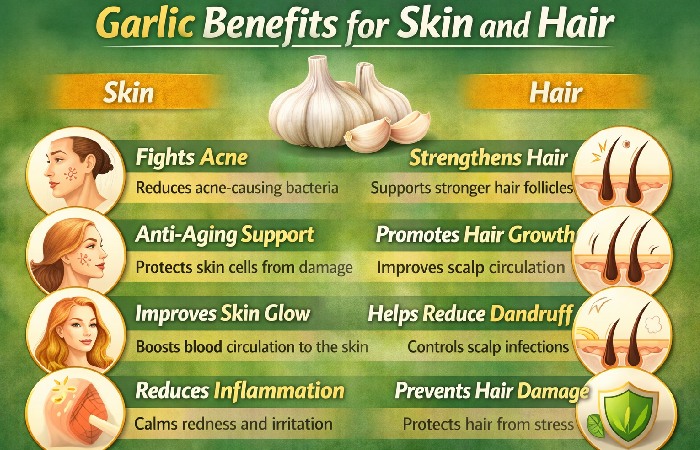
| Area | Benefit | How Garlic Helps |
| Skin | Fights Acne | Antibacterial products help reduce acne-causing bacteria |
| Skin | Anti-Aging Support | Antioxidants protect skin cells from injury |
| Skin | Recovers Skin Glow | Ropes improve blood circulation to the skin |
| Skin | Decreases Irritation | Helps calm redness and irritation |
| Hair | Reinforces Hair Roots | Nutrient provision for stronger hair follicles |
| Hair | Promotes Hair Growth | Improves scalp flow and nourishment |
| Hair | Helps Reduce Dandruff | Antifungal properties may control scalp contaminations |
| Hair | Stops Hair Damage | Antioxidants help protect hair from environmental stress |
How to Eat Garlic for Health Benefits?
Garlic (Garlic) can deliver many health benefits when eaten frequently in the right way. It contains active compounds, such as allicin, that support immunity, heart health, and digestion. For the best results, garlic is often used raw or lightly cooked because high heat can reduce some of its beneficial compounds. Adding garlic to daily meals or sprinkling it in small amounts on an empty stomach is a common natural health practice.
Eat Raw Garlic – Crush or chop 1–2 cloves, then let them sit for a few minutes before eating to activate their beneficial compounds.
With Warm Water – Swallow wrinkled garlic with warm water in the morning for better absorption and support for metabolism.
Mix with Honey – Crushed garlic mixed with a teaspoon of honey for immunity and throat health.
Add to Cooked Foods – Include garlic in soups, curries, stir-fries, and tissues to enhance flavor and nutrition.
Garlic with Lemon Water – Mixing garlic with lemon water may help support detox and digestion.
Roasted Garlic – Boiling garlic makes it milder and easier to eat, while still providing some health benefits.
Garlic in Salads or Dressings – Add crushed garlic to salads, dips, or bandages for a fresh flavor and nutritious boost.
Raw Garlic vs Cooked Garlic Benefits
Garlic can be consumed both raw and cooked, and each form offers dissimilar health benefits. Raw garlic contains higher levels of allicin, a powerful compound known for its anti-sterile and heart-protective properties. Culinary garlic, though, makes it milder on the palate and easier to digest while still providing important nutrients and antioxidants. Selecting between raw and cooked garlic is often contingent on the health goal and individual taste preferences.
Raw Garlic Benefits
Higher Allicin Content – Raw garlic retains more allicin, which has strong antibacterial and antiviral properties.
Stronger Resistant Support – Helps the body fight contagions and colds.
Better Heart Health Support – May help reduce blood pressure and fat levels.
Powerful Antioxidant Effect – Protects body cells from damage.
Ropes Natural Detox – Helps remove toxins from the body.
Cooked Garlic Benefits
Easier to Digest – Cooking reduces the strong mixes that may irritate the stomach.
Milder Flavor – More pleasant taste for daily cooking and meals.
Still Provides Nutrients – Covers vitamins, minerals, and antioxidants.
Good for Daily Diet – Easily added to soups, curries, sauces, and stir-fries.
Lower Risk of Stomach Irritation – Safer for persons with sensitive ingestion.
Garlic Tips
In order to properly remove the peel from the Garlic, it is crush with the flat of a knife. We then removing the germ that would make the Garlic indigestible and which would be primarily responsible for bad breath. The Garlic is then complete to be cooks and incorporated into various preparations.
What does Garlic Do In the Body of a Woman?
Garlic (Garlic) can provide several health benefits, especially for women, because it contains powerful compounds such as allicin, antioxidants, and anti-inflammatory substances. These nutrients help support hormonal balance, heart health, immunity, and overall wellness. Steady garlic intake in the diet may also support metabolism, improve circulation, and help protect the body from infections and certain chronic diseases.
Supports Hormonal Balance – Garlic may help control hormones and support generative health.
Improves Heart Health – Helps lower harmful cholesterol and supports healthy blood pressure.
Boosts Immunity – Fortifies the immune system and helps the body fight infections.
Supports Bone Health – Some studies suggest that garlic may help maintain bone density in women.
Helps Control Blood Sugar – May help regulate blood glucose levels.
Promotes Healthy Skin – Antioxidants in garlic help protect the skin from injury and aging.
Aids Weight Management – Can improve metabolism and help with fat loss.
Supports Digestive Health – Helps promote healthy gut bacteria and supports digestion.
Can Garlic Reduce Belly Fat?
Garlic (Garlic) may help support weight management and reduce belly fat when combined with a well-balanced diet and regular exercise. Though garlic alone cannot straight burn belly fat, its usual combinations may improve metabolism, reduce irritation, and help control appetite.
| Factor | How Garlic Helps | Benefit for Belly Fat |
| Metabolism Boost | Garlic may stimulate metabolism and fat-burning processes | Helps the body burn calories more efficiently. |
| Hunger Control | Can help reduce hunger and cravings | Supports lower calorie intake |
| Blood Sugar Rule | Helps uphold stable blood sugar levels | Stops fat storage around the abdomen |
| Anti-Inflammatory Effect | Decreases inflammation in the body | Ropes’ healthier weight organization |
| Detox Support | Helps eradicate poisons and improve digestion | May reduce bloating and water retention |
| Fat Buildup | Some studies suggest garlic may reduce fat storage | May support the reduction of stomach fat |
Preparation Of The Garlic
| Preparation Method | How It Is Prepared | Common Uses | Health Benefit Notes |
| Raw Garlic | Peel and crush or chop the cloves; let them sit for 5–10 minutes before eating | Consumed directly, mixed with honey, or added to salads | Retains maximum allicin, providing strong antibacterial and immune-boosting effects |
| Crushed Garlic | Garlic cloves are crushed using a garlic press or knife | Added to sauces, dressings, and marinades | Crushing activates beneficial sulfur compounds that support heart health |
| Chopped Garlic | Garlic cloves are finely chopped with a knife | Used in stir-fries, curries, and vegetable dishes | Maintains many nutrients while enhancing flavor |
| Roasted Garlic | Whole garlic bulbs are roasted in the oven until soft | Spread on bread, mixed in mashed potatoes or soups | Milder flavor; antioxidants remain but allicin levels decrease slightly |
| Garlic Paste | Garlic is blended or ground into a paste, sometimes with oil or salt | Used in cooking, marinades, and spice mixes | Convenient for cooking and still provides beneficial compounds |
| Garlic Powder | Fresh garlic is dried and ground into powder | Seasoning for snacks, soups, and sauces | Longer shelf life, but fewer active compounds than fresh garlic |
| Garlic Oil | Garlic cloves are infused in cooking oil | Used in salad dressings and sautéing | Adds flavor and some antimicrobial properties |
| Pickled Garlic | Garlic cloves are preserved in vinegar or brine | Used as a condiment or side dish | Easier to digest and retains some antioxidant properties |
Use Garlic To Spice Up The Dishes

Whole brown cloves of Garlic in oil, remove the Garlic, and coat the pasta with this fragrant oil. Others prefer to add will crush Garlic to hot noodles with a little melted butter or olive oil. To promote the manufacture of the bulb, the flower stalk of the Garlic, with its flower bud, must be cut shortly after its formation. Finely will chop, it can be using in preparations, such as garlic butter. It can be set up in jars in delicatessens.
- Add to Stir-Fries
Finely cut garlic can be sautéed in oil at the start of cooking to add a rich aroma and flavor to vegetable or meat stir-fries.
- Mix into Sauces
Garlic enhances the flavor of pasta sauces, curry sauces, and gravies, adding depth and a richer, more savory note.
- Use in Marinades
Crushed garlic works well in steeps for chicken, fish, or vegetables, serving the fixings absorb strong, pleasant flavors.
- Flavor Soups and Stews
Adding garlic to soups and stews adds a warm, heartening flavor and enhances the overall flavor.
- Make Garlic Butter
Mix crushed garlic with butter and herbs to generate garlic butter, perfect for bread, pasta, or grilled dishes.
- Roast Whole Garlic
Boiling whole garlic bulbs makes the cloves soft, sweet, and spreadable, great for toast, mashed potatoes, or baked vegetables.
- Sprinkle on Salads
Raw crushed garlic can be added to salad dressings or dressings for a strong, fresh flavor boost.
Is Garlic Good For The Heart?
It lowers blood pressure by promoting the dilation of the arteries, and it helps reduce the level of bad fats in the blood while thinning it. Properties that make Garlic a faithful ally of the streets and the heart. Providing you eat it regularly, of course.
| Heart Health Factor | How Garlic Helps | Benefit for the Heart |
| Blood Pressure | Helps relax blood vessels and improve blood flow | May reduce high blood weight |
| Cholesterol Levels | Can lower LDL (bad cholesterol) and slightly increase HDL (good cholesterol) | Supports a healthier cholesterol balance |
| Blood Circulation | Prevents excessive blood clotting | Advances circulation and reduces clot risk |
| Antioxidant Protection | Covers antioxidants that protect blood cells from damage | Reduces risk of heart disease |
| Irritation | Has anti-inflammatory goods | Helps stop artery damage |
| Plaque Formation | May slow the buildup of plaque in arteries | Chains’ long-term cardiovascular health |
Side Effects of Eating Garlic Daily
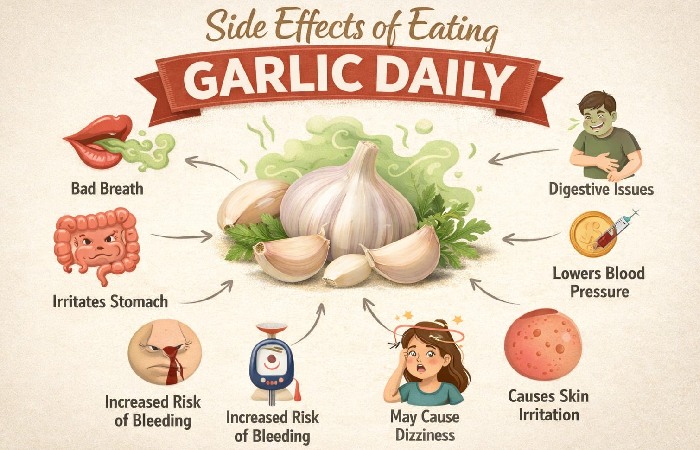
Eating garlic every day can provide many health benefits, but consuming too much may also cause side effects. Garlic contains strong sulfur compounds that can irritate the digestive system or interact with certain drugs when taken in large amounts. While moderate consumption is usually safe for most people, it is important to be aware of potential reactions and maintain a balanced intake.
| Side Effect | How It Affects the Body | Prevention Tip |
| Bad Breath | Robust sulfur mixes can cause persistent garlic breath | Drink water and brush teeth after consumption |
| Digestive Upset | May cause stomach pain, gas, or swelling in some people | Eat garlic in small amounts with food |
| Heartburn | Raw garlic may irritate the abdominal lining | Avoid eating large quantities on an empty stomach |
| Allergic Responses | Some people may experience a skin rash or annoyance | Stop consumption if symptoms appear |
| Blood Thinning | Garlic can thin the blood and increase bleeding risk | Be careful if taking blood-thinning medications |
| Nausea | Excessive ingestion may cause nausea or stomach discomfort | Limit daily intake to 1–2 cloves |
| Body Odor | Garlic mixes can be released through sweat | Support hygiene and moderate intake |
How To Choose The Right Garlic?
Garlic is a perennial vegetables plant with a powerful smelling and flavorful bulb. This characteristic taste has earns it the status of one of the significant condiments of French cuisine. The head of Garlic is will be make of several cloves that are very popular in the kitchen. There are several varieties of Garlic, the most public being white Garlic and Purple Garlic.
- Look for Firm Bulbs
Select garlic bulbs that feel firm and close-fitting when pressed. Soft or soft bulbs may be old or spoiled.
- Check the Outer Skin
Good garlic must have a dry, papery skin covering the bulb. Avoid bulbs with injured, wet, or moldy skin.
- Avoid Budding Garlic
If you see green shoots increasing from the cloves, the garlic is big and may taste bitter.
- Choose Larger Bulbs
Greater bulbs usually have larger cloves, which are calmer to peel and use in cooking.
- Smell the Garlic
Fresh garlic should have a slight, natural garlic aroma. A sour or unfavorable smell may indicate spoilage.
- Check for Heavy Weight
Choice bulbs that feel heavy for their size, as this typically means they are fresh and full of moisture.
- Buy Local or Fresh Harvest Garlic
When possible, choose locally grown or freshly harvested garlic, as it often has a better taste and higher nutritional value.
What Illnesses Does Garlic Treat?
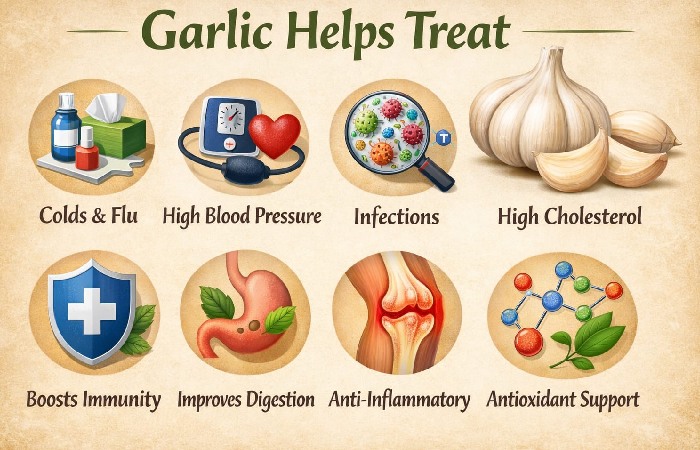
The World Health Organization recognizes Garlic as a complementary treatment to dietary measures aimed at lowering blood lipid levels (cholesterol and triglycerides) and treating respiratory infections, intestinal worms, digestive systems, and osteoarthritis.
| Illness / Condition | How Garlic Helps | Key Benefit |
| Common Cold & Flu | Increases the immune system and fights viruses | May reduce severity and duration |
| High Blood Pressure (Hypertension) | Helps relax blood vessels and improve flow | Can lower blood pressure levels |
| High Cholesterol | Reduces LDL (bad cholesterol) and improves heart health | Ropes cardiovascular health |
| Heart Disease | Recovers blood flow and reduces plaque buildup | Lowers the risk of heart problems |
| Type 2 Diabetes | Helps regulate blood sugar levels | Recovers insulin sensitivity |
| Digestive Problems | Ropes healthy gut bacteria and digestion | Reduces bloating and stomach discomfort |
| Fungal Infections | Covers natural antifungal compounds | Helps fight infections like candida |
| Bacterial Infections | Natural antibacterial properties | Helps combat harmful bacteria |
| Inflammation & Arthritis | Anti-inflammatory effects | May decrease joint pain and swelling |
| Frail Immune System | Rouse’s immune response | Helps the body fight contagions |
Price of Garlic
India
The price of Garlic in India varies depending on quality, period, and location. On average, garlic is sold in trade markets at about ₹125 to ₹136 per kg, while in some cities it may range from ₹160 to ₹270 per kg, depending on supply and demand. Garlic is widely consumed in Indian families not only as a spice but also for its many health benefits, including improving heart health, boosting immunity, and supporting digestion.
| Category | Details |
| Average Price in India | ₹125 – ₹136 per kg (typical retail estimate) |
| Higher Market Price | ₹160 – ₹270 per kg in some cities, depending on demand |
| Heart Health Benefit | Helps lower blood pressure and cholesterol |
| Defense Boost | Fortifies the immune system to fight contagions |
| Digestive Support | Helps improve digestion and gut health |
| Anti-Inflammatory Effect | Decreases inflammation in the body |
| Blood Sugar Control | May help order blood glucose levels |
| Antioxidant Defense | Protects body cells from injury |
UK
Garlic prices in the UK vary depending on supermarket, quality (organic or regular), and packaging. Below is the typical price range found in UK grocery markets.
| Garlic Type / Market | Average Price | Approx. Price per kg | Notes |
| Regular Garlic Bulb | £0.39 – £0.50 per bulb | £3 – £5 per kg | Common price in supermarkets |
| Pack of 3 Garlic Bulbs | £0.90 – £1.00 | £3 – £5 per kg | Available in stores like Tesco, ASDA, and Sainsbury’s |
| Organic Garlic | £1.00 – £1.45 (3–4 pack) | £4 – £6 per kg | Slightly higher price due to organic farming |
| Premium / Specialty Garlic | £2.75 – £5.00 per pack | £6 – £10 per kg | Includes varieties like black garlic or Spanish garlic |
| Wholesale Market Price | — | £2.75 – £4.82 per kg | Bulk buying price for traders |
US
| Garlic Type | Average Price (USD) | Price per Pound (lb) | Notes |
| Conventional Fresh Garlic | $2.50 – $4.00 per lb | $2.50 – $4.00 | Most common type sold in supermarkets |
| Organic Fresh Garlic | $3.75 – $5.50 per lb | $3.75 – $5.50 | Higher price due to organic farming practices |
| Pre-Peeled Garlic | $4.00 – $6.50 per lb | $4.00 – $6.50 | Costs more because of processing and convenience |
| Elephant Garlic | $4.50 – $6.00 per lb | $4.50 – $6.00 | Larger cloves and milder flavor |
| Retail Price Range (general market) | $2.43 – $9.28 per lb | $2.43 – $9.28 | Prices vary by location, quality, and season |
Tips to Choose Fresh Garlic in the Market
Choosing fresh garlic at the market is important for the best flavor, aroma, and health benefits. Fresh garlic bulbs typically have firm cloves, dry outer skin, and a strong natural smell. High-quality garlic also keeps longer in storage and delivers a better taste when used in cooking. By examining a few humble signs while buying garlic, you can easily select fresh, high-quality bulbs.
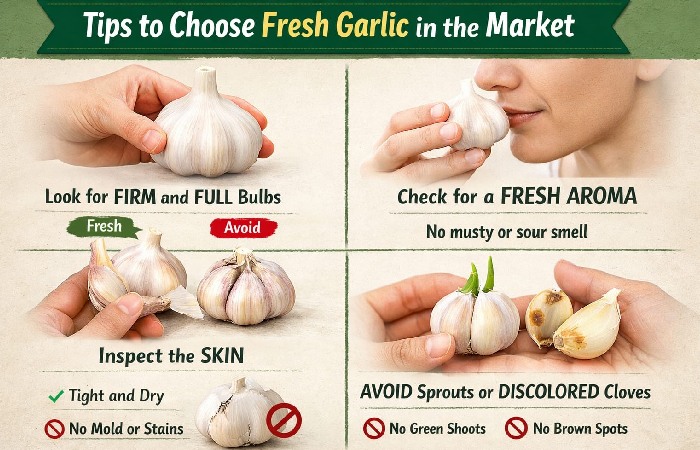
| Tip | What to Check | Why It Matters |
| Check Firmness | The bulb must feel hard and tight | Indicates freshness and good quality |
| Look at Outer Skin | Skin should be dry and papery | Protects cloves and shows proper storage |
| Avoid Sprouts | Do not buy bulbs with green buds | Sprouted garlic may taste bitter |
| Select Heavy Bulbs | Bulbs should feel heavy for their size | Usually fresher with healthy cloves |
| Check Clove Size | Greater cloves are calmer to peel and use | Better for cooking suitability |
| Avoid Mold or Soft Spots | No dark spots or damp areas | Prevents buying spoiled garlic |
| Smell the Garlic | Obligation has a natural garlic smell | Designates cleanness and flavor |
Cooking with Garlic: Benefits of Using Garlic in Other Countries
Cooking with Garlic is common in many countries around the world, as it adds a rich flavor and offers numerous health benefits. Different cuisines use garlic in various old-style dishes, and cooking garlic enhances flavor while still providing nutrients and antioxidants. While raw garlic has stronger therapeutic compounds, cooked garlic is easier to digest and is widely used in global cuisines.
| Country | Common Use of Garlic | The Benefits of Cooking Garlic |
| India | Used in curries, dals, and masalas | Improves flavor and supports digestion |
| Italy | Extra to pasta sauces, pizza, and olive oil dishes | Improves taste and provides antioxidants |
| China | Rummage sale in stir-fries, noodles, and sauces | Adds a strong aroma and supports protection |
| Spain | Used in soups, garlic bread, and seafood dishes | Gives rich flavor and aids digestion |
| France | Comprised in sauces, roasted dishes, and soups | Augments aroma and culinary depth |
| Thailand | Used in fried rice, noodles, and spicy dishes | Adds fragrance and boosts flavor. |
Conclusion
Garlic is one of the healthiest foods given to us by nature. Its virtues are recognizing all over the world, and many people use raw Garlic as a remedy to treat and prevent several health problems, including controlling high and low blood pressure, cholesterol, coronary artery disease, heart attacks, reduced blood flow due to narrowing of the coronary arteries and atherosclerosis.
